


Farming in Heels, in partnership with Nestlé Needs YOUth, put commercial readiness at the centre of this year’s Women in Agriculture Summit, equipping emerging women farmers with practical insight into costing, food safety, certification, procurement standards and buyer expectations.
Hosted under the theme “From Pilot to Practice”, the summit focused on helping small-scale and emerging farmers move from informal production into more structured, commercially viable enterprises. The event brought together 250 delegates at The Innovation Hub in Pretoria for a day of practical masterclasses, expert panels and market-focused discussions.
The focus comes as global attention turns to the role of women in food systems, with the Food and Agriculture Organization of the United Nations designating 2026 as the International Year of the Woman Farmer. In South Africa, women remain under-represented in commercial agriculture, reinforcing the need for targeted support that helps emerging producers access skills, finance, markets and formal supply chains.
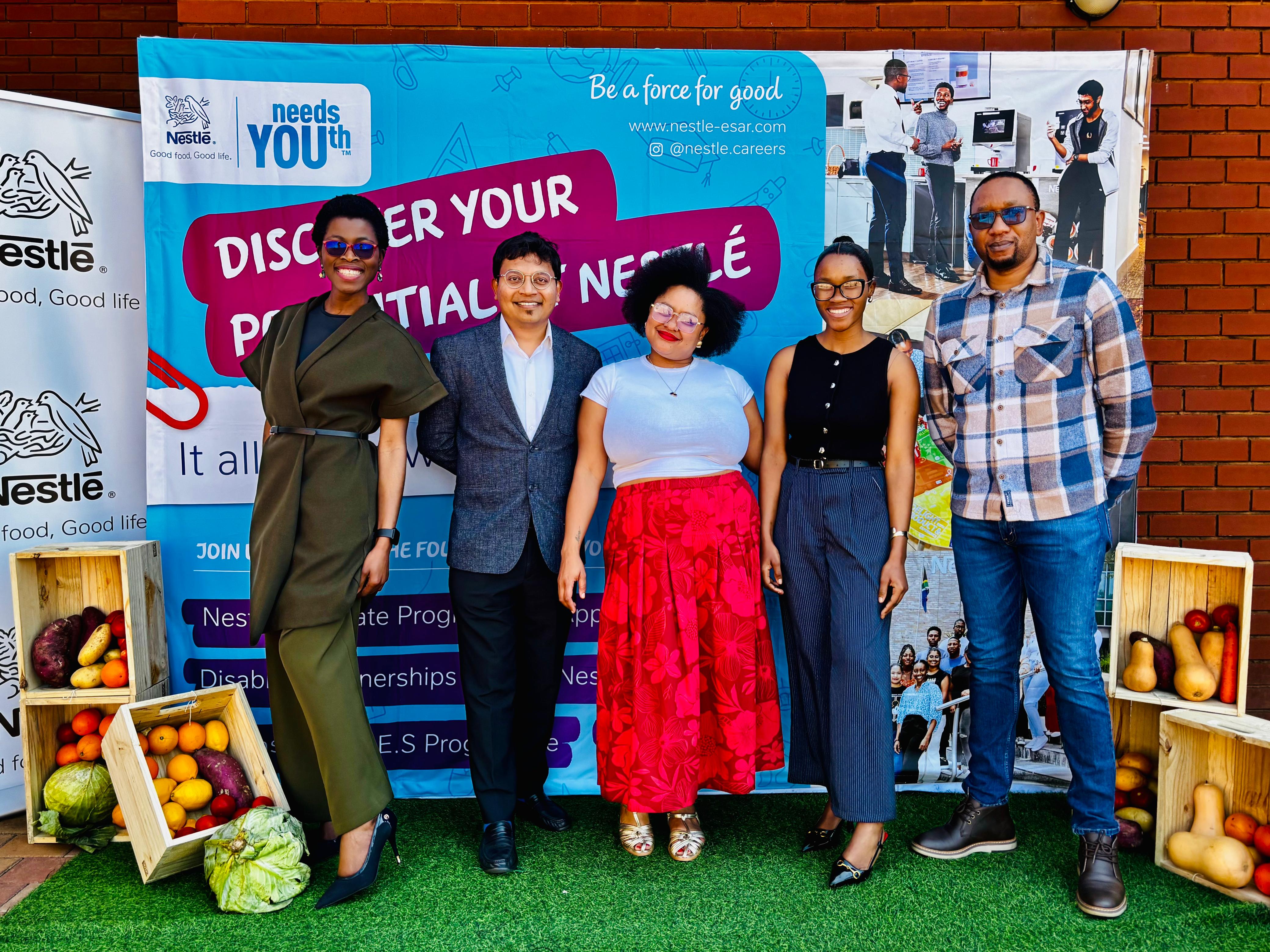
Founded by television presenter and poultry farmer Kamohelo “Kamo” Bombe, Farming in Heels has grown into a platform that provides training, mentorship and networking for young women in agriculture. The partnership with Nestlé Needs YOUth supports this work by linking agripreneurship, skills development and market readiness to broader efforts to build more inclusive and resilient food systems.
“Women are widely recognised as central to the continent’s food system, yet many remain concentrated in informal and small-scale production, where access to land, finance, training and trading records can limit growth,” said Bombe. “This summit was about moving the conversation from visibility to viability and giving women farmers tools they can use to build businesses that are ready for buyers, lenders and long-term growth.”
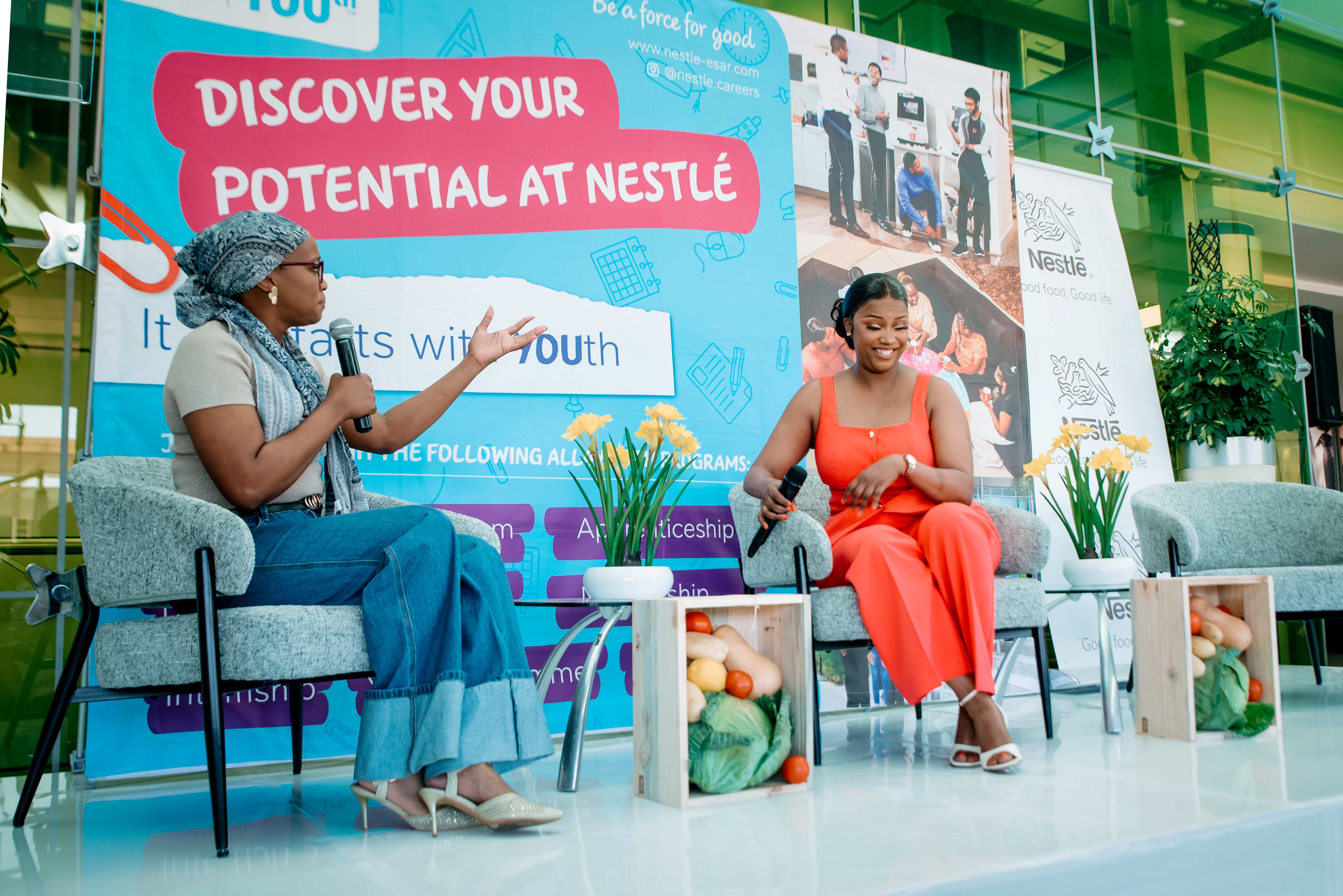
Sessions unpacked the demand side of the value chain, including the standards that determine whether emerging producers can access formal markets. Speakers covered practical areas such as costing a production cycle, understanding food safety requirements, improving traceability, preparing for procurement processes and managing consistency of supply. Comfort Tshisikule, Youth and Learning and Development Lead at Nestlé East and Southern Africa Region, shared a buyer’s perspective on what commercial procurement requires and how skills, mentorship and market linkages can help bridge the gap.
“Our mission has always been to redefine the narrative of what a farmer looks like, proving that women can take up space and thrive in this sector,” added Bombe. “However, representation alone does not scale a business. Long-term success requires practical support, compliance knowledge and access to the right networks. That is what we wanted delegates to leave with.”, she highlights.
The programme included panel discussions on agro-processing margins, value-chain logistics, climate resilience and disaster management. Speakers included Dr Mary-Jane Thaela-Chimuka, Senior Researcher at the Agricultural Research Council, Mosa Seshoene, founder of Farminist, Gloria Makallane, Director: Strategic Institutional Partnerships at the Department of Land Reform and Rural Development, AgriDuo co-founders Keneilwe Raphesu and Hlobisile Bathabile Yende, and Lebogang Mashigo, founder of Eggsellent.
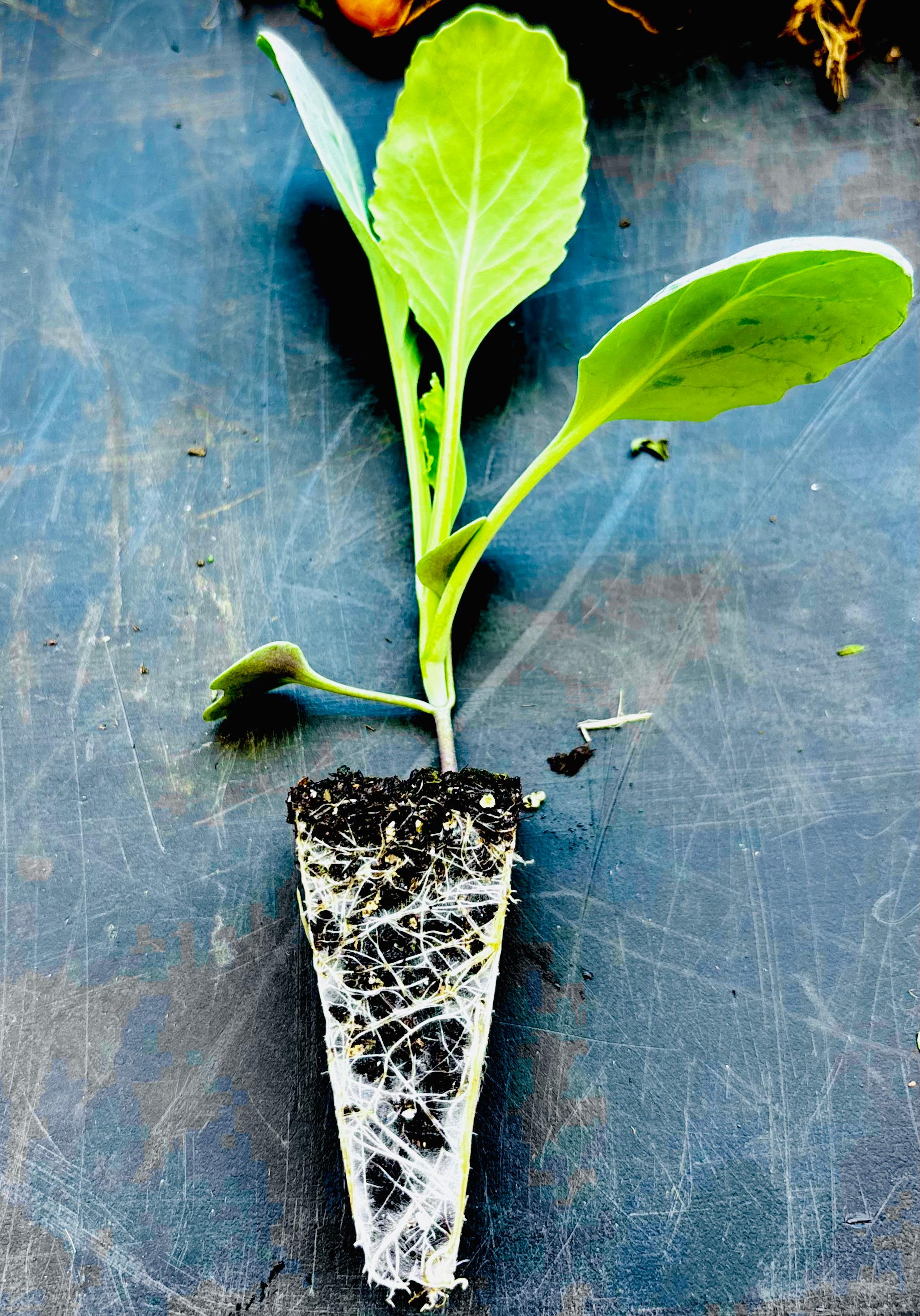
Climate-smart and regenerative agriculture practices were positioned as both sustainability and business priorities, helping farmers understand how improved soil health, resource efficiency and resilience can support productivity, market access and long-term supply chain participation.
“When emerging farmers are unable to meet buyer standards, the impact extends beyond the individual business. It affects the wider supply chain and the country’s food system,” said Tshisikule. “Through Nestlé Needs YOUth, our role is to be clear about what commercial procurement requires, while supporting young people with skills, mentorship and access to opportunities. By helping build the next generation of suppliers, we are also strengthening a more inclusive food value chain.”
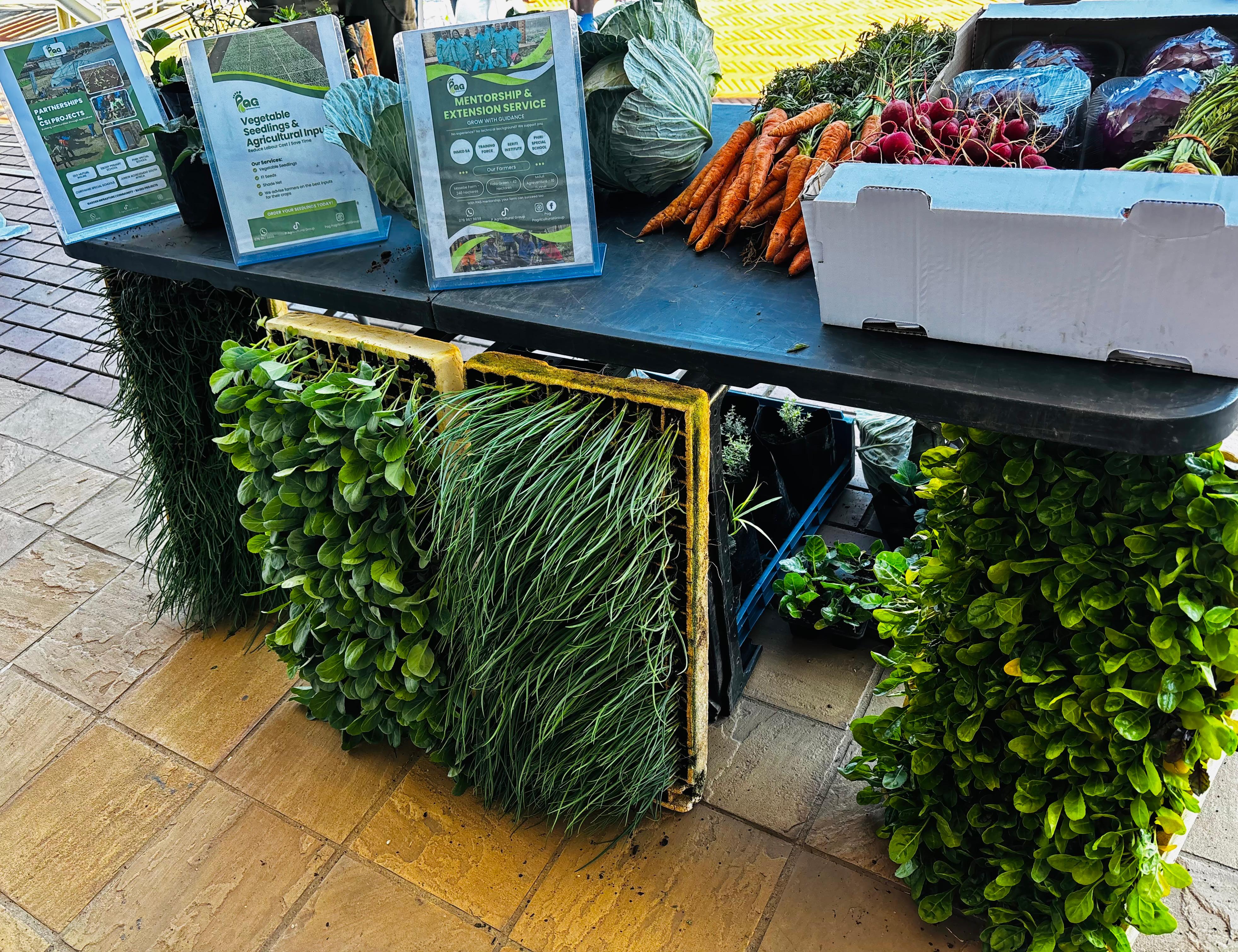
Farming in Heels and Nestlé Needs YOUth will continue supporting the 2026 cohort through masterclasses and mentorship networks as delegates apply the learnings in their own farming operations.
ENDS
About Nestlé
Nestlé is the world’s largest food and beverage company. It is present in 187 countries around the world, and its 291,000 employees are committed to Nestlé’s purpose of unlocking the power of food to enhance quality for everyone, today and for generations to come. Nestlé offers a wide portfolio of products and services for people and their pets throughout their lives. Its more than 2,000 brands range from global icons like Nescafé or Nespresso to local favourites like Ricoffy. Company performance is driven by its Nutrition, Health, and Wellness strategy. Nestlé is based in the Swiss town of Vevey where it was founded more than 150 years ago.
About Farming in Heels
Farming in Heels is a South African platform founded by television presenter and poultry farmer Kamohelo “Kamo” Bombe to support young women entering agriculture. Through its annual Women in Agriculture Summit, masterclasses and mentorship networks, the organisation works to move emerging female producers from small-scale pilots into commercially viable, supply-chain-ready enterprises.
