

20 September 2026 marks World Clean Up Day. This year’s theme, “From Clean Plates to Clean Cities,” is a reminder that the choices we make at the table connect directly to the health of the planet and communities we share. Food waste, packaging, circular economies and sustainable cities are not separate conversations. They are the same one.
At Nestlé ESAR, Creating Shared Value is the principle that shapes everything we do. It asks a deceptively simple question: are we leaving things better than we found them? For our farmers, our communities, our planet? The answer only becomes possible when businesses and people act together. As Louis van Wyk, our Technical Director, puts it:
“Protecting our planet starts with everyday choices. Together, we can turn small changes into meaningful impact.”
– Louis van Wyk, Technical Director, Nestlé East and Southern Africa Region
Here are eight practical ways to be part of that change, grounded in what we have learnt working across East and Southern Africa.
- Start with your plate
World Clean Up Day’s theme begins exactly where its name suggests: at the table. According to the UN Food and Agriculture Organisation, roughly one third of all food produced globally is lost or wasted. In a region where millions face food insecurity, that is not just an environmental problem. It is a moral one.
💡 Sustainability hack
- Plan your weekly meals before you shop
- Use your freezer more intentionally
- Embrace imperfect produce
- Turn leftovers into tomorrow’s lunch
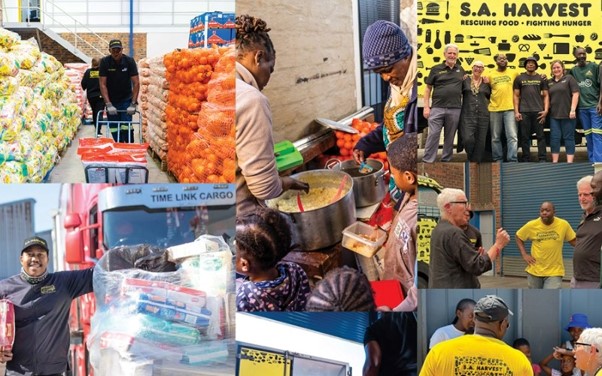
These acts, multiplied across households and communities, shift entire food systems. Nestlé ESAR has donated surplus food valued at over R62 million across the last four years through partners including Gift of the Givers, Food Forward SA, and SA Harvest. Reducing waste before it happens is always the first step.
- Rethink what you throw away
The circular economy at the heart of this year’s World Clean Up Day theme asks us to stop thinking of waste as an endpoint.
💡 Sustainability hack
At home:
- Separate your waste into dry recyclables, wet organics and general refuse
- Locate your nearest recycling drop-off point
- Before something goes in the bin, ask yourself: can it be repaired, reused, or repurposed?
Progress matters more than perfection. In 2025, 27 schools across our ESAR region collected over a tonne of plastic through our REwarding REcyclers programme. When young people learn to see discarded materials as resources, whole households start to shift.
“None of our packaging should end up in landfills or as litter.”
– Louis van Wyk, Technical Director, Nestlé East and Southern Africa Region
- Choose products with recyclable packaging
Every purchasing decision tells a brand where to invest next.
💡 Sustainability hack
When you shop:
- Look for recyclable packaging labels
- Choose concentrated or refillable formats where available
What ends up in your hands starts with decisions made long before a product reaches the shelf. Across Nestlé ESAR in 2025, we converted 142 tonnes of non-recyclable plastic packaging into designs for recycling, and reduced virgin plastic use by 306 tonnes. Today, 76% of Nestlé ESAR packaging is designed for recycling.
“Water security has increasingly become a defining factor shaping the future of economies, cities, and, most critically, food systems.”
– Louis van Wyk, Technical Director, Nestlé East and Southern Africa Region
- Use water like it matters, because it does
Water scarcity is one of the most urgent challenges facing our region. South Africa alone loses a significant portion of treated municipal water before it reaches end users, at enormous cost to households and the economy.
💡 Sustainability hack
At home:
- Fix leaks
- Collect grey water
- Run appliances on full loads.
These habits, scaled across a region, are transformative. Nestlé ESAR saved 40.7 million litres of water in 2025 through operational improvements at our Estcourt and Mossel Bay plants. We also support farmers with soil moisture probes to help them irrigate more precisely.
Read more: When water runs dry
- Think about where your food comes from
Healthy soil is the foundation of every meal.
💡 Sustainability hack
- Choose locally grown produce
- Ask brands where their ingredients come from
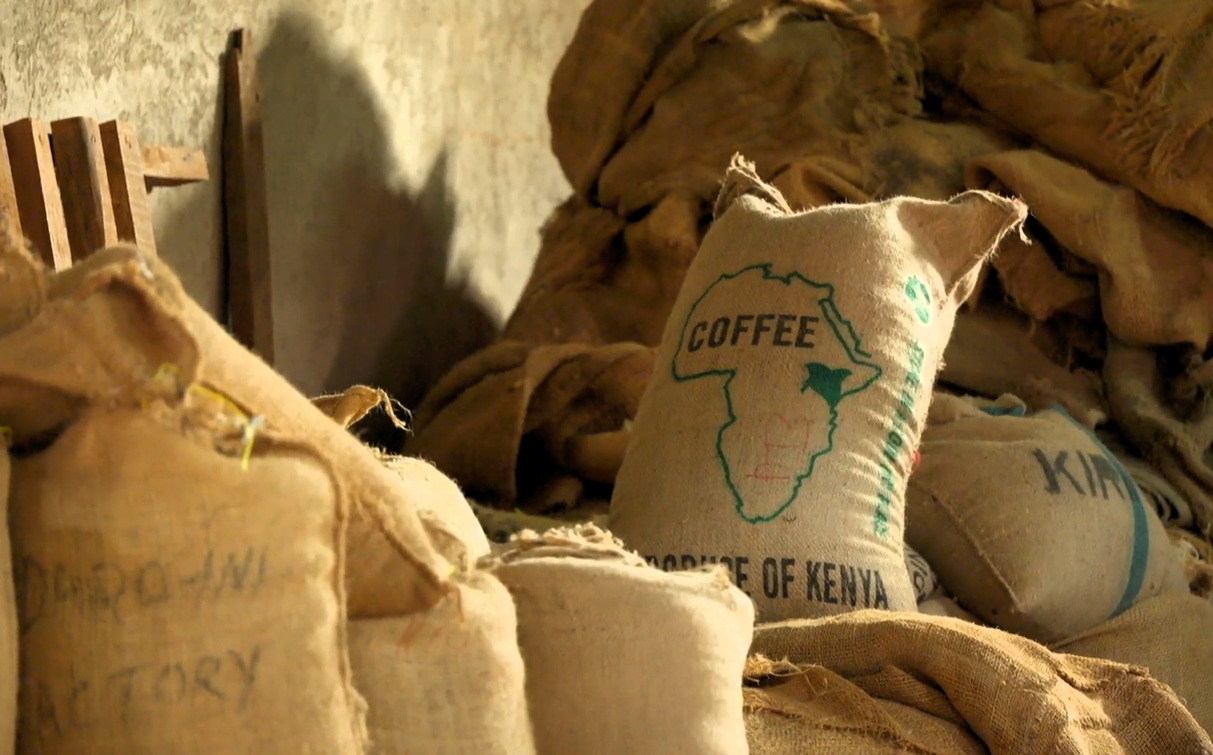
Nestlé ESAR is advancing regenerative agriculture across the region, with 27.6% of our sourcing coming from farms using regenerative practices. That includes over 350 suppliers in Zimbabwe, thousands of smallholder coffee farmers in Kenya supported through the Nespresso AAA Sustainable Quality programme, and our Skimmelkrans dairy farm pilot in South Africa, where measurable soil health improvements and lower emissions are already being recorded.
When consumers value the story behind their food, farmers are rewarded for farming in ways that restore rather than deplete.
Read more: Transforming food and agriculture for a sustainable future

- Switch to clean energy where you can
Clean energy gives you lower power bills, healthier air, and a smaller carbon footprint.
💡 Sustainability hack
- Switch to LED bulbs
- Unplug devices when not in use
- Advocate for renewable energy options in shared spaces
Our South African sites generated over 2.8 MW of solar power in 2025, equivalent to the energy consumption of more than 1,200 households. Our solar installations also created 100 renewable energy jobs and, at Harrismith, a R367 million investment supports our Bag-in-a-Box manufacturing rollout, reducing material use and transportation emissions across our supply chain.
Read more: Illuminating our commitment to a sustainable future
- Support businesses that invest in people
Buying from businesses that invest in local communities and publish transparent sustainability data is how consumers actively shape a different kind of economy.
When Nestlé ESAR invested US$7 million in Zimbabwe, we didn’t simply invest in a cereal facility, it was about building local industry and stable employment, not just production capacity. In 2025, Nestlé Needs YOUth hired 66 young people and skilled 200 through traineeships, supporting a further 89,103 through work-readiness programmes across the region. Through our YES learnerships, 180 young people completed accredited programmes. Farming in Heels, active since 2021, continues to build the next generation of women agripreneurs.
Read more: Why backing young talent matters
- Make your voice count
Building a cleaner, more equitable world does not belong to any one company or government.
💡 Sustainability hack
- Talk to your local councillor about recycling infrastructure
- Support food redistribution organisations.
Individual actions matter. But the greatest change happens when individuals, businesses, governments, and communities align around shared goals. Nestlé ESAR co-chairs the Strategic Water Partners Network with South Africa's Department of Water and Sanitation and works with Producer Responsibility Organisations (PROs) to advance packaging circularity and push for stronger waste infrastructure across the region.
“From Clean Plates to Clean Cities” starts with all of us.
Read more: Sustainability at Nestlé