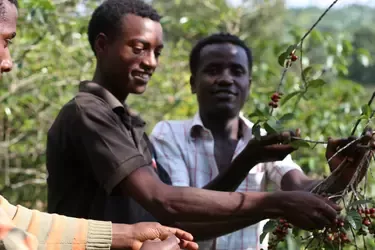


Why this matters now
When the world convened under the G20 and B20 platforms to tackle food security, sustainability, and climate resilience, one truth became undeniable: the transformation of global food systems can no longer wait. For Africa, this urgency is even greater. Climate change, population growth, and fragile supply chains threaten millions of lives.
At Nestlé East and Southern Africa Region (ESAR), we knew we had a responsibility and an opportunity to ensure Africa’s realities and potential were placed at the heart of global dialogue during South Africa’s B20 presidency.
Our commitment: More than sponsorship
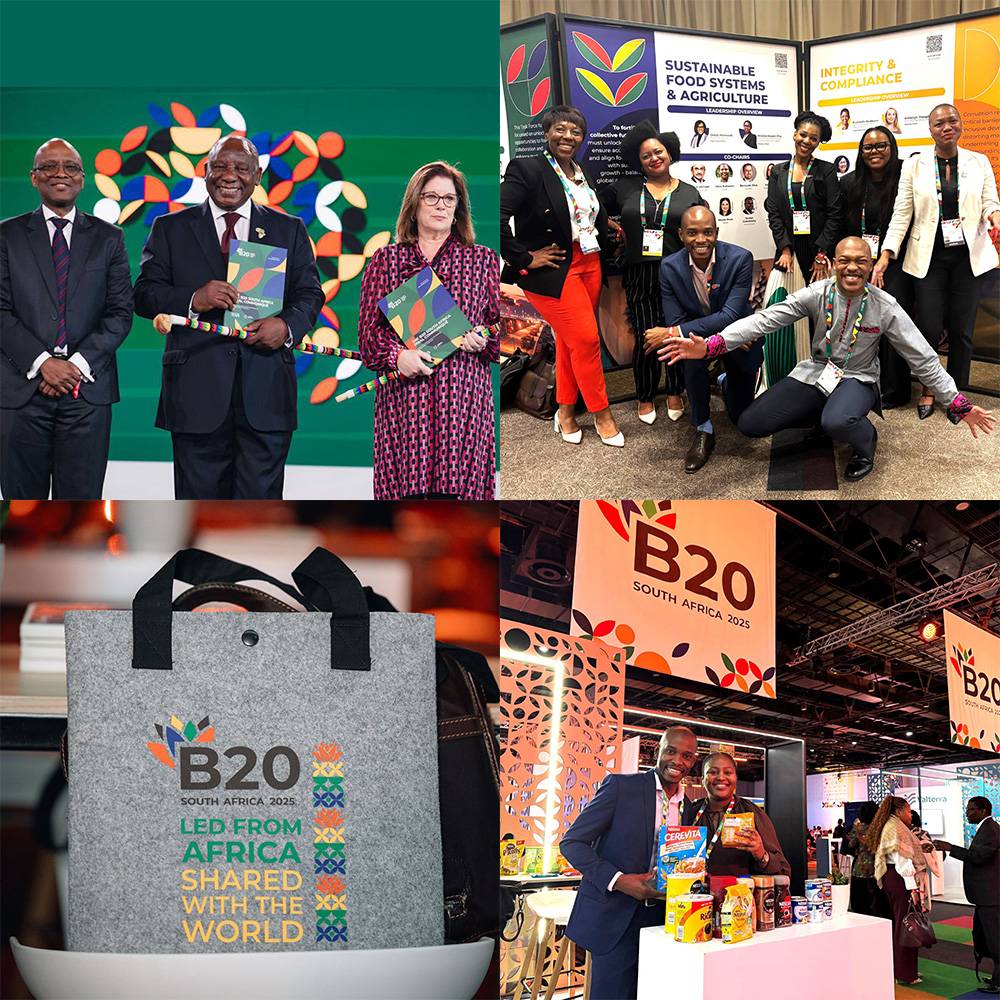
From the outset, our involvement in B20 South Africa was intentional. As a Platinum Sponsor, we did not simply lend our name. We invested in the structures and conversations that shape global policy. For us, this was never about symbolism. It was about action.
We believe that lasting, sustainable change depends on strong partnerships between business, governments, and civil society. Sponsorship was our way of saying: we are here to lead, not just participate.
Leading from the front
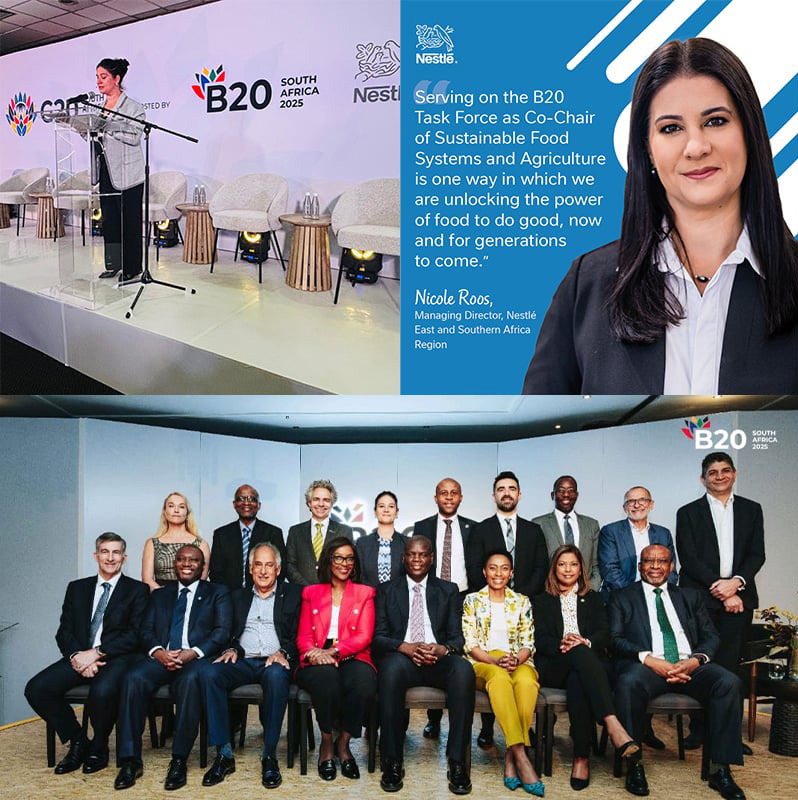
Our leadership came to life through our role as co-chair of the Sustainable Food Systems and Agriculture Task Force, represented by Nicole Roos, Managing Director of Nestlé ESAR. This task force united global leaders to tackle critical issues such as regenerative agriculture, food security, climate resilience, circularity, and farmer livelihoods.
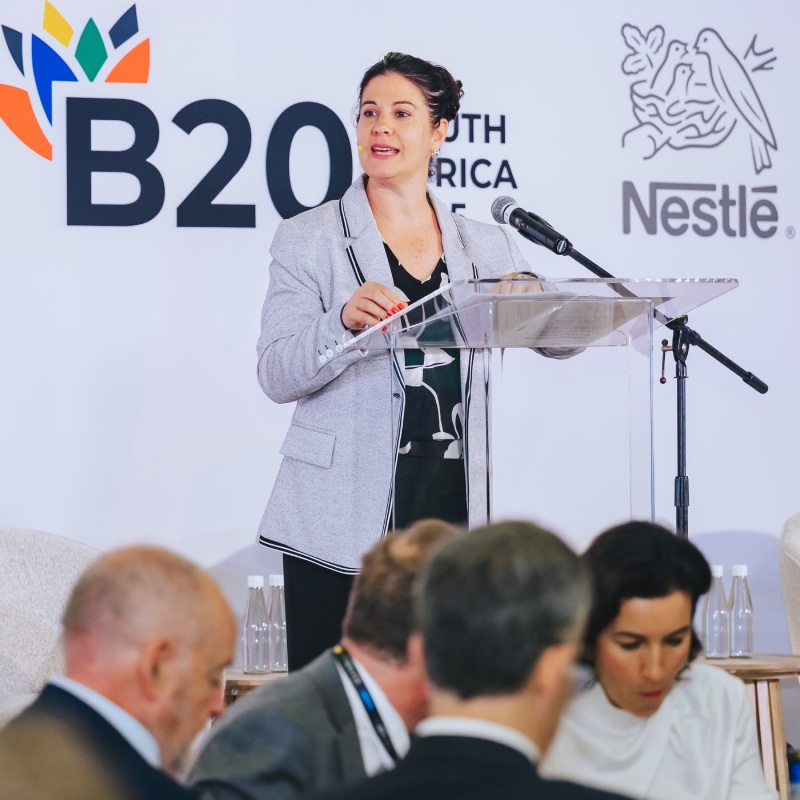
By guiding these conversations, we ensured African perspectives were amplified and not overshadowed by the priorities of wealthier regions.
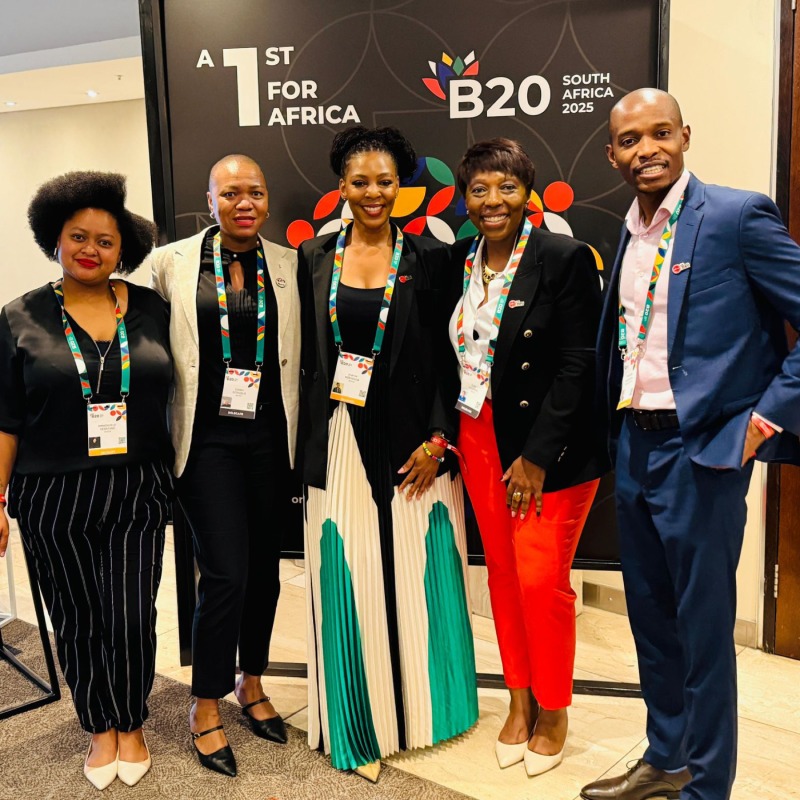
Championing Africa’s voice
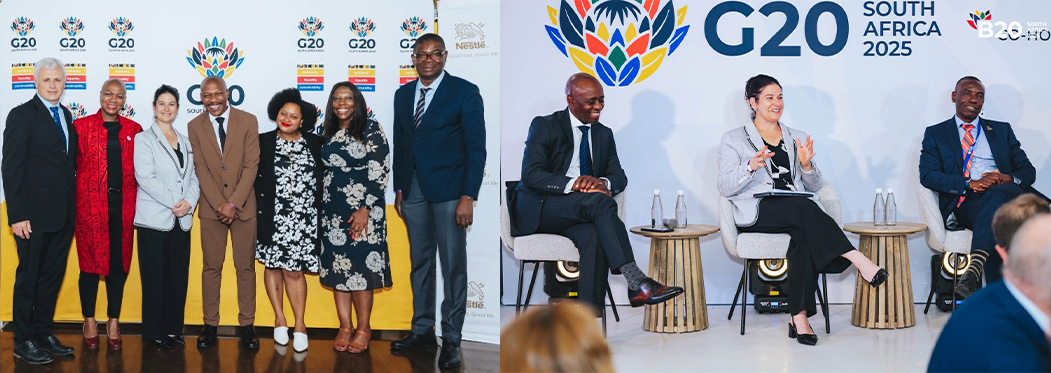
Throughout the year-long process, we actively contributed to consultations, drafting, and policy recommendations. We consistently raised issues that matter most to Africa:
- Promoting sustainable agricultural practices
- Reducing food loss and waste
- Supporting small-scale farmers with access to finance and digital tools
- Addressing the growing impact of climate instability
- These efforts helped shape recommendations that reflect Africa’s unique needs rather than adopting a one-size-fits-all approach.
These efforts helped shape recommendations that reflect Africa’s unique needs rather than adopting a one-size-fits-all approach.
Turning policy into practice
Our work in East and Southern Africa already mirrors the priorities of the B20. From promoting regenerative agriculture and soil health to boosting food production and strengthening supply chains, we are translating global commitments into local impact.
Our initiatives to empower women and youth in agriculture through training, agripreneurship, and supplier development align perfectly with the B20’s vision for inclusive growth and shared prosperity.
What’s next?
As the B20 South Africa cycle concludes, our focus shifts to implementation. We are ready to lead by example and turn policy into measurable action across farms, factories, and supply chains.
The stakes are high. The future of food in Africa depends on bold decisions, meaningful collaboration, and continued investment in people and the planet. By embracing our role within the B20 and aligning it with our regional commitments, we have helped ensure Africa’s future is firmly part of the global agenda and that the global agenda responds to Africa’s reality.
Join us on this journey. Together, we can build food systems that are more resilient, sustainable, and inclusive for Africa and for the world.